Insurance Industry Email List: Find Agents, Brokers & Decision-Makers
On this page
- Quick Answer
- Introduction
- What Is an Insurance Industry Email List?
- Who Should Use an Insurance Industry Email List?
- Which Insurance Professionals and Decision-Makers Can You Target?
- What Information Is Included in an Insurance Contact Database?
- How Does LeadCanal Build an Insurance Industry Email List?
- What Affects the Cost of an Insurance Industry Email List?
- Buying vs Building an Insurance Email List
- Best Practices for Using an Insurance Industry Email List
- Common Insurance Database Mistakes to Avoid
- Related B2B Contact Databases
- Conclusion
- Frequently Asked Questions
Insurance Industry Email List: What It Includes and How It Helps
Introduction
Businesses selling to the insurance industry need more than thousands of random contact records. They need the right insurance companies, agents, brokers, and decision-makers who actually match their product or service.
A targeted insurance contact database helps B2B companies identify prospects by insurance type, location, company size, job role, seniority, and other relevant criteria.
This can be useful for SaaS providers, marketing agencies, cybersecurity companies, recruitment firms, CRM providers, consultants, training companies, financial-service providers, data companies, and other businesses selling to the insurance sector.
Instead of researching insurance companies and professionals one by one, businesses can use LeadCanal email list building service to create prospect databases around specific campaign requirements.
This guide explains who can be targeted, what information should be included, how insurance emails are researched and verified, and how the data can support targeted B2B sales outreach.
What Is an Insurance Industry Email List?
An insurance industry email list is a structured B2B database containing professional contact information for insurance agents, brokers, agencies, carriers, insurance companies, and relevant decision-makers.
Depending on the target market, the database may include professionals working in:
- Life insurance
- Health insurance
- Property and casualty insurance
- Commercial insurance
- Auto insurance
- Homeowners insurance
- Employee benefits
- Medicare-related insurance
- Reinsurance
- InsurTech
- Specialty insurance
The objective is not simply to collect insurance company email addresses.
A useful contact database helps businesses identify the companies and professionals that closely match their ideal customer profile.
For example, an insurance CRM provider may target agency owners, operations leaders, and sales managers, while a cybersecurity company may focus on technology, risk, compliance, and executive decision-makers.
Businesses targeting several B2B industries alongside insurance can also use a broader B2B companies email list as part of their prospecting strategy.
Who Should Use an Insurance Industry Email List?
An insurance contact database is useful for B2B companies that sell products or services to insurance agencies, brokers, carriers, and insurance professionals.
Common users include:
- Insurance software companies
- CRM providers
- InsurTech businesses
- Cybersecurity providers
- Digital marketing agencies
- Lead-generation companies
- Recruitment agencies
- Business consultants
- Compliance solution providers
- Financial-service companies
- Data and analytics companies
- Automation providers
- Training companies
- Appointment-setting services
- Professional service providers
For example, a marketing agency may target independent agency owners, while a software provider may focus on operations executives and technology decision-makers.
Companies that want to identify decision-makers using professional and company-level criteria can also use LinkedIn prospecting to support their research.
Which Insurance Professionals and Decision-Makers Can You Target?
The most useful contact depends on what your business sells. An insurance industry database should therefore allow targeting by job title, seniority, company type, and insurance specialty.
Potential contacts include:
- Insurance agents
- Insurance brokers
- Independent agency owners
- Agency principals
- Insurance company executives
- CEOs
- Presidents
- Managing directors
- Sales directors
- Marketing directors
- Operations managers
- Underwriters
- Claims managers
- Risk managers
- Compliance professionals
- Business development managers
- Partnership managers
- Technology leaders
- HR decision-makers
- Insurance producers
For U.S. insurance-producer research, official licensing information can also help confirm professional status. The National Insurance Producer Registry provides licensing resources and producer information.
Targeting the right role is generally more valuable than simply building the largest possible database.
What Information Is Included in an Insurance Contact Database?
A professional insurance contact database should contain enough information to help businesses identify, qualify, segment, and personalize communication with prospects.
| Data Field | Purpose |
|---|---|
| First Name | Contact personalization |
| Last Name | Professional identification |
| Business Email | Direct B2B outreach |
| Job Title | Decision-maker targeting |
| Company Name | Account identification |
| Insurance Specialty | Industry segmentation |
| Phone Number | Sales follow-up where appropriate |
| Company Website | Business research |
| City/State/Country | Geographic targeting |
| LinkedIn Profile | Professional research |
| Company Size | Account qualification |
| Department | Functional targeting |
| Seniority | Authority filtering |
| Verification Status | Data-quality tracking |
| Source Information | Research transparency |
Not every campaign requires every field.
An agency targeting local brokers may prioritize location and insurance specialty, while an enterprise software company may care more about company size, seniority, department, and technology decision-makers.
Companies that already have partial or incomplete insurance records can use email appending services to enrich missing business information where appropriate.
How Does LeadCanal Build an Insurance Industry Email List?
LeadCanal builds insurance prospect databases around the requirements of a specific campaign rather than treating every insurance professional as the same type of prospect.
The process can include:
- Defining the target insurance segment
- Selecting countries, states, or cities
- Identifying relevant insurance companies and agencies
- Finding agents, brokers, executives, and decision-makers
- Collecting available business contact information
- Enriching missing company and professional data
- Verifying email addresses
- Removing duplicate or irrelevant records
- Segmenting contacts by campaign criteria
- Preparing the database for CRM or outreach use
The target audience can be refined according to insurance specialty, company size, location, job title, seniority, and other business criteria.
The objective is not to produce the biggest spreadsheet. It is to create a contact database that closely matches the companies and professionals relevant to the campaign.

What Affects the Cost of an Insurance Industry Email List?
The cost of building an insurance contact database depends on the amount of research, targeting depth, number of contacts, required data fields, geographic coverage, verification requirements, and level of customization.
Factors may include:
- Number of contacts required
- Insurance categories
- Geographic targeting
- Job-title targeting
- Company-size filters
- Decision-maker seniority
- Required phone or LinkedIn data
- Email verification
- Data enrichment
- Manual research requirements
- CRM-ready formatting
A lower-priced database is not automatically better value if it contains irrelevant, outdated, or incomplete records.
Businesses should compare providers based on targeting criteria, available fields, research process, verification, and data usability rather than price alone.
Before buying or building a list, always check:
- Is the data verified?
- When was it last updated?
- Can it be filtered by job title or location?
- Does it include company details?
- Are emails business contacts, not personal data?
- Is there an opt-out process?
- Can the list be used in your CRM?
Best Tools Used for Insurance Lead Generation
To build and manage insurance email lists properly, businesses use different tools for research, verification, CRM management, and outreach.
1. LinkedIn Sales Navigator
LinkedIn Sales Navigator is useful for finding insurance professionals by job title, company type, location, and industry. It helps identify agency owners, brokers, executives, producers, and decision-makers.
2. Apollo
Apollo is commonly used for B2B lead discovery, contact finding, filtering, and email outreach. It can help teams search for insurance contacts and organize them into targeted lists.
3. Prospeo
Prospeo is used to find and verify professional email addresses. It can be helpful when researching insurance companies, agents, and individual decision-makers.
4. Scrap.io
Scrap.io is often used to collect business data from public sources and directories. It can help build targeted lists when used responsibly and carefully.
5. Hunter.io
Hunter.io helps find email addresses connected to company domains. If you already know the insurance company name, Hunter can help identify possible professional emails.
6. ZeroBounce or NeverBounce
Email verification tools like ZeroBounce and NeverBounce help reduce bounce rates by checking whether emails are valid before sending campaigns.
7. Clay
Clay is useful for data enrichment and automation. It helps combine data from different sources and create more personalized lead lists.
8. HubSpot or Salesforce
CRM tools like HubSpot and Salesforce help manage leads, track communication, organize follow-ups, and monitor sales pipelines.
9. Instantly, Lemlist, or Mailshake
These tools are used for cold email campaigns, follow-up sequences, reply tracking, and campaign performance monitoring.
Leadcanal can work with these types of tools to prepare clean and useful insurance prospect lists for outreach.
How to Write an Email to an Insurance Company
Many users search for how to write an email to insurance company or insurance company email template. A good email should be short, clear, honest, and relevant.
Here is a simple example:
Insurance Company Email Template
Subject: Helping insurance agencies improve lead follow-up
Hi [Name],
I noticed that [Company Name] works in the insurance space. At Leadcanal, we help businesses build verified B2B contact lists and outreach systems so they can connect with the right decision-makers more effectively.
If your team is looking to reach insurance agencies, brokers, or industry professionals, we can help create a targeted and verified insurance email list based on your ideal audience.
Would you be open to a quick conversation this week?
Best,
[Your Name]
Insurance Industry Email Open Rate
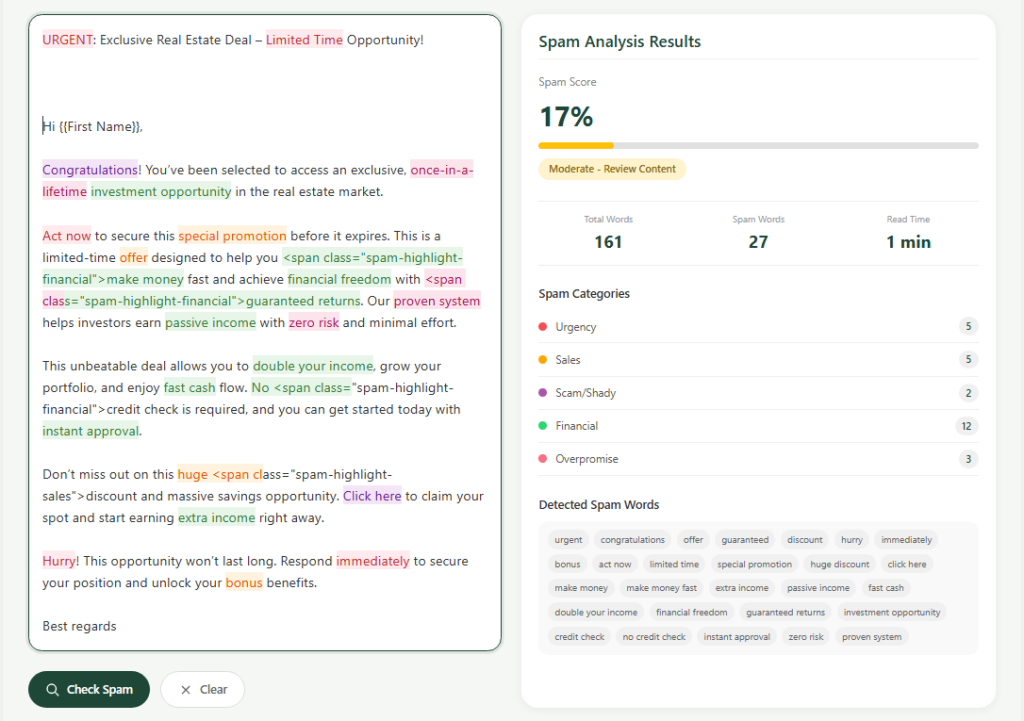
The insurance industry email open rate depends on list quality, subject line, sender reputation, timing, personalization, and audience relevance.
A verified and segmented list usually performs better than a broad generic list.
To improve open rates:
- Use clear subject lines
- Avoid spammy words
- Personalize the first line
- Send to verified business emails
- Segment by job role and insurance type
- Keep emails short and useful
- Avoid sending too many follow-ups
- Remove bounced and unsubscribed contacts
Open rate alone is not enough. Businesses should also track reply rate, bounce rate, unsubscribe rate, booked calls, and actual conversions.
Buying vs Building an Insurance Email List
Businesses can either buy a pre-built list or build a custom list.
| Option | Best For | Main Benefit | Risk |
|---|---|---|---|
| Buying a list | Fast outreach | Saves time | May include outdated data |
| Building a list | Targeted campaigns | Better accuracy | Takes more time |
| Using Leadcanal | Custom B2B targeting | Verified and organized data | Needs clear audience criteria |
| Manual research | High-value accounts | Strong personalization | Slower process |
For better results, a custom list is usually more effective than a generic database. If your business targets commercial insurance agencies,
you should not use the same list created for health insurance brokers or life insurance agents.
Best Practices for Using an Insurance Industry Email List
Start with a clearly defined audience rather than sending messages to every contact in the database.
Segment prospects according to:
- Insurance specialty
- Job role
- Company type
- Location
- Seniority
- Campaign use case
Personalize your message around why your product or service is relevant to that particular audience.
Do not assume that a verified email automatically means the recipient is a good prospect.
Good B2B outreach requires both valid contact information and relevant targeting.
Common Insurance Database Mistakes to Avoid
Avoid:
- Choosing a list only because it contains a large number of contacts
- Using outdated insurance-company information
- Sending to unverified emails
- Mixing unrelated insurance specialties into one campaign
- Contacting irrelevant job roles
- Ignoring duplicate records
- Sending identical messaging to agents, brokers, executives, and underwriters
- Ignoring opt-outs
- Using misleading subject lines
- Launching outreach without considering deliverability
A smaller database of relevant prospects can be more useful than a much larger database of contacts that do not match the offer.