Teacher Mailing Lists: The Complete Guide to Reaching Educators with Targeted Contact Data
Quick Answer
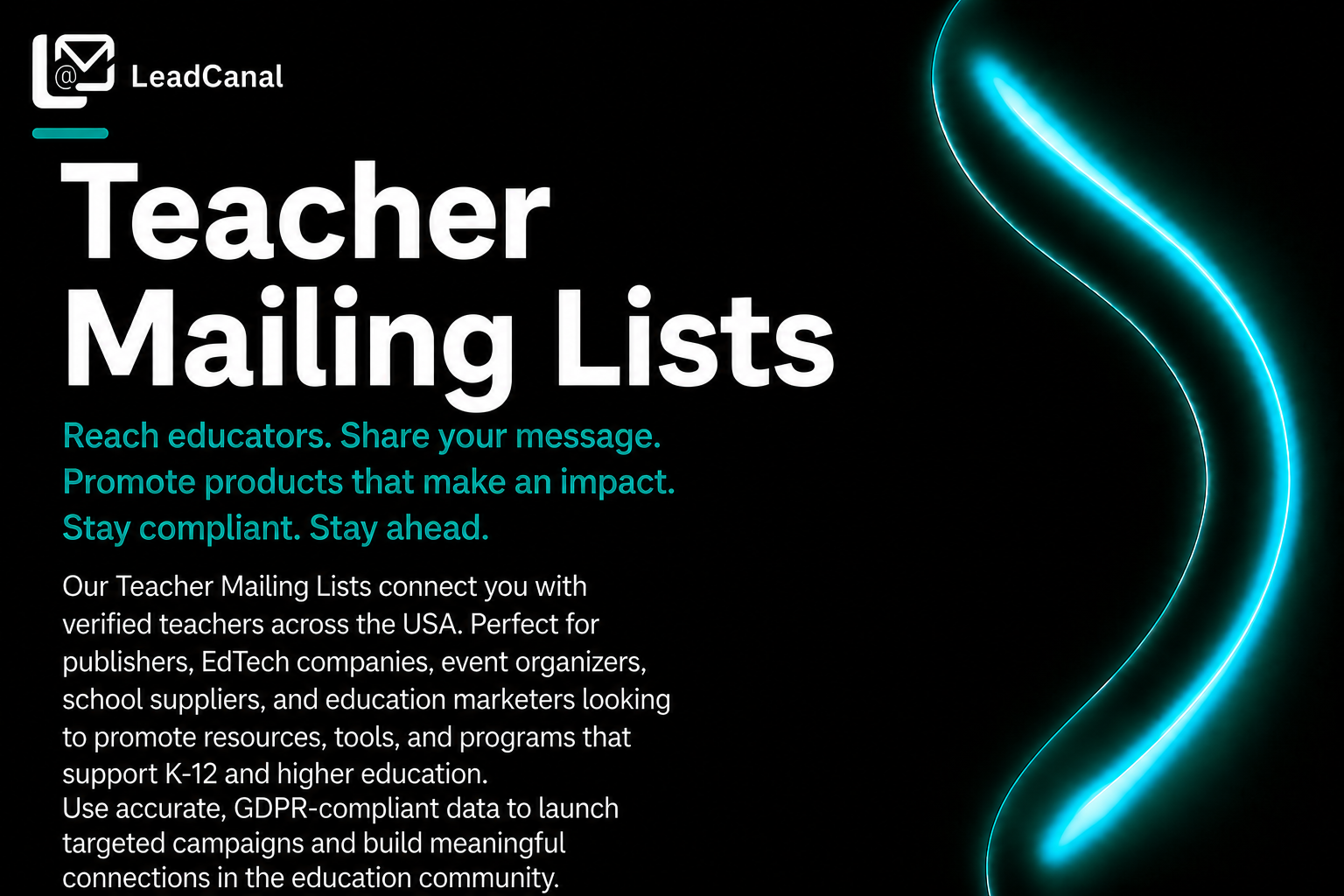
Teacher mailing lists are targeted databases containing verified contact information of educators, teachers, and education professionals that help businesses, publishers, educational technology companies, and service providers connect with the right audience through personalized marketing campaigns.
A high-quality teacher mailing list allows organizations to reach K-12 teachers, school administrators, curriculum coordinators, department heads, and education decision-makers based on specific criteria such as location, grade level, subject specialization, school type, and professional role.
In today’s competitive education market, reaching the right educators is more important than simply sending thousands of emails.
Schools and teachers receive countless messages every day, making targeted communication essential.
A segmented and accurate teacher contact database helps businesses improve engagement, generate qualified leads, and build meaningful relationships within the education sector.
Whether you are an educational software company, textbook publisher, training provider, classroom equipment supplier, or education-focused organization, a teacher mailing list provides direct access to professionals who influence purchasing decisions and classroom adoption.
What Are Teacher Mailing Lists?
A teacher mailing list is a collection of professional contact records belonging to teachers and educators.
These databases usually include information such as names, professional email addresses, phone numbers, school affiliations, job titles, teaching subjects, and geographic details.
Unlike general email databases, teacher mailing lists are specifically designed for education-related outreach.
They help marketers avoid broad, ineffective campaigns by allowing them to target educators who are more likely to be interested in their products or services.
For example:
- A company selling classroom technology can target computer science teachers.
- A publisher can reach English and literature teachers.
- An online learning platform can connect with K-12 educators.
- A teacher training organization can promote professional development programs.
The main purpose of a teacher mailing list is not simply increasing email volume. It is about connecting businesses with relevant education professionals through accurate and personalized communication.
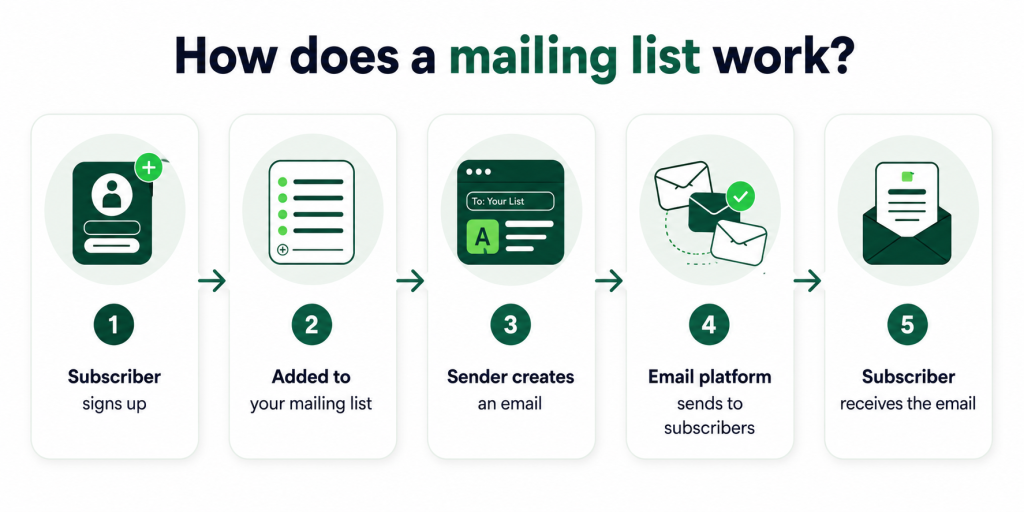
How Do Teacher Mailing Lists Work?
Teacher mailing lists work by organizing educator data into searchable and customizable segments.
Professional data providers collect, verify, and categorize educator information from multiple sources.
Businesses can then select specific targeting options depending on their marketing goals.
A typical targeting process includes:
1. Define Your Audience
Before purchasing or creating a teacher mailing list, businesses identify their ideal audience.
Examples:
- Elementary school teachers
- Middle school teachers
- High school teachers
- STEM educators
- Special education teachers
- School principals
- Curriculum directors
2. Select Data Filters
Teacher databases can usually be filtered by:
- Country
- State
- City
- ZIP code
- School district
- Grade level
- Teaching subject
- School type
- Job title
This segmentation ensures that marketing messages reach the most relevant educators.
3. Launch Targeted Campaigns
Once the audience is selected, businesses can use the data for:
- Email marketing campaigns
- Educational product promotions
- Webinar invitations
- Training program announcements
- Research surveys
- Direct mail campaigns
The goal is to deliver valuable information instead of sending irrelevant messages.
Why Are Teacher Mailing Lists Important for Businesses?
The education industry is a large and highly specialized market. However, reaching teachers and school decision-makers can be challenging without accurate contact information.
A teacher mailing list solves this challenge by providing direct access to education professionals.
1. Reach the Right Education Audience
Traditional marketing often depends on broad advertising, where businesses spend money hoping the right people notice their message.
Teacher mailing lists allow companies to directly reach educators who match their ideal customer profile.
For example, an educational technology company launching a classroom management platform can specifically target:
- K-12 teachers
- Technology coordinators
- School administrators
This increases the chances of meaningful engagement.
2. Improve Lead Generation
High-quality teacher contact databases help businesses generate better leads because they connect with professionals who have relevant interests.
A targeted campaign generally performs better than random outreach because the audience already matches the product category.
3. Reduce Marketing Waste
Without proper targeting, businesses may spend resources reaching people who have no interest or authority.
A segmented teacher mailing list reduces unnecessary outreach by focusing campaigns on qualified prospects.
4. Build Strong Education Partnerships
Many companies rely on relationships with educators to introduce:
- New teaching tools
- Educational resources
- Learning platforms
- Professional development programs
Teacher mailing lists provide a foundation for building these connections.

What Information Is Included in a Teacher Mailing List?
A professional teacher mailing list may include:
| Data Field | Description |
|---|---|
| Full Name | Educator’s professional name |
| Email Address | Professional contact email |
| Phone Number | Direct contact information |
| Job Title | Teacher, principal, coordinator, etc. |
| School Name | Associated educational institution |
| School Address | Location details |
| Subject Specialty | Teaching area |
| Grade Level | Elementary, middle, high school |
| District Information | School district details |
| Geographic Data | City, state, ZIP code |
The exact information depends on the provider and database quality.
Types of Teacher Mailing Lists
Different businesses require different educator segments. Common types include:
1. K-12 Teacher Mailing Lists
These lists focus on teachers working in kindergarten through grade 12 education systems.
They are useful for:
- Educational software companies
- Textbook publishers
- Classroom suppliers
- Learning platforms
2. Subject-Based Teacher Lists
Businesses can target teachers according to specialization.
Examples:
- Mathematics teachers
- Science teachers
- English teachers
- Art teachers
- Music teachers
- Computer science teachers
3. Geographic Teacher Lists
These databases allow businesses to target educators based on location.
Examples:
- Teachers in California
- Educators in New York school districts
- International teachers
4. Decision-Maker Education Lists
These include professionals with purchasing influence:
- Principals
- School administrators
- Curriculum directors
- Department heads
Teacher Mailing Lists vs Teacher Email Lists
| Feature | Teacher Mailing Lists | Teacher Email Lists |
|---|---|---|
| Main Purpose | Multi-channel outreach | Email campaigns |
| Includes | Email, phone, address, professional details | Mainly email contacts |
| Marketing Channels | Email, direct mail, sales outreach | Email marketing |
| Targeting Options | Advanced segmentation | Email-based targeting |
| Best For | B2B education marketing | Digital campaigns |
Both options can be valuable depending on campaign objectives.
Who Uses Teacher Mailing Lists?
Teacher mailing lists are used by many organizations connected with education.
Educational Technology Companies
EdTech companies use teacher databases to promote:
- Learning management systems
- Classroom apps
- AI education tools
- Digital resources
Publishers and Content Providers
Publishers use educator lists to introduce:
- Textbooks
- Online learning materials
- Curriculum resources
Training Organizations
Professional development companies use teacher contact databases to promote:
- Teaching workshops
- Certifications
- Online courses
Classroom Product Suppliers
Companies selling:
- Classroom furniture
- Educational equipment
- Teaching supplies
can connect directly with educators and schools.
Benefits of Using Teacher Mailing Lists
1. Highly Targeted Marketing
Businesses can communicate with specific educator groups instead of using generic campaigns.
2. Better Conversion Opportunities
Relevant audiences are more likely to respond to valuable offers.
3. Faster Market Expansion
Companies can quickly reach thousands of education professionals.
4. Improved Personalization
Campaigns can be customized based on:
- Subject
- Location
- School level
- Professional role
5. Stronger Relationship Building
Consistent communication helps businesses create long-term education partnerships.
How to Choose a High-Quality Teacher Mailing List Provider
Selecting the right data provider is critical because inaccurate information can damage campaign performance.
Consider these factors:
Data Accuracy
Choose providers that regularly verify and update their databases.
Segmentation Options
A good provider should allow filtering by:
- Teaching role
- Location
- School type
- Subject
Compliance Standards
Ensure data collection follows applicable marketing regulations and privacy standards.
Customer Support
Reliable support helps businesses choose the right audience segments.
Step-by-Step Process to Use Teacher Mailing Lists Effectively
Step 1: Define Your Campaign Goal
Determine whether your goal is:
- Lead generation
- Product promotion
- Webinar registration
- Partnership building
Step 2: Identify Your Ideal Teacher Audience
Create a clear audience profile.
Example:
“High school science teachers in Texas interested in digital classroom tools.”
Step 3: Select the Right Data Segment
Choose relevant filters:
- Geography
- Grade level
- Subject
- School role
Step 4: Create Valuable Content
Teachers respond better to useful resources.
Examples:
- Free teaching guides
- Educational webinars
- Product demonstrations
- Research reports
Step 5: Launch and Measure Campaign Performance
Track:
- Open rates
- Click rates
- Responses
- Conversions
Improve campaigns based on results.
Best Practices for Teacher Outreach Campaigns
- Personalize every message
- Focus on educator needs
- Avoid generic sales pitches
- Provide educational value
- Respect privacy regulations
- Maintain updated contact data
Teachers are professionals, not an endless inbox playground where marketers throw random messages and hope something survives. Surprisingly, humans still appreciate relevance.
Pros and Cons of Teacher Mailing Lists
Pros
- Direct access to education professionals
- Better audience targeting
- Increased marketing efficiency
- Useful for B2B education campaigns
- Supports multiple marketing channels
Cons
- Poor-quality data can reduce results
- Requires compliance awareness
- Incorrect targeting can waste resources
- Needs regular database updates
Practical Case Study: Using Teacher Mailing Lists for an EdTech Campaign
An educational technology company wanted to introduce a new classroom learning platform.
Instead of sending advertisements to a general audience, the company targeted:
- High school teachers
- STEM educators
- Technology coordinators
The campaign included:
- Personalized email invitations
- Free platform demonstrations
- Teacher resource downloads
Results:
- Higher engagement from relevant educators
- More demo requests
- Increased product awareness among schools
The success came from targeting the right audience rather than simply increasing email volume.
Frequently Asked Questions About Teacher Mailing Lists
1. What is a teacher mailing list?
A teacher mailing list is a database containing contact information of educators, teachers, and education professionals used for targeted marketing and communication.
2. Who can use teacher mailing lists?
Educational companies, publishers, training providers, EdTech companies, and classroom suppliers can use teacher mailing lists.
3. What information does a teacher mailing list contain?
It may include teacher names, emails, phone numbers, school information, job titles, subjects, and locations.
4. Are teacher mailing lists useful for B2B marketing?
Yes. They help businesses reach education professionals and school decision-makers directly.
5. How can businesses improve results with teacher mailing lists?
Businesses should use segmentation, personalization, valuable content, and accurate data.
6. What is the difference between teacher email lists and mailing lists?
Teacher email lists focus mainly on email contacts, while mailing lists may include additional professional and geographic information.
7. How often should teacher databases be updated?
Regular updates are important because educator roles and contact details can change frequently.
8. Can teacher mailing lists support lead generation?
Yes. When used correctly, they can help businesses identify and connect with qualified education leads.
Conclusion
Teacher mailing lists provide businesses with a powerful way to connect with educators, schools, and education decision-makers through targeted communication.
In a competitive education market, success depends on reaching the right audience with the right message.
A reliable teacher contact database helps organizations improve outreach, generate qualified leads, and build stronger relationships within the education industry.
However, the quality of the data matters. Businesses should prioritize accurate, segmented, and regularly updated educator databases to achieve better campaign performance.
Grow Your Education Leads with LeadCanal
Finding the right educators is easier when you have access to accurate and targeted lead generation solutions.
LeadCanal helps businesses identify valuable prospects, improve outreach strategies, and create stronger B2B connections through effective lead generation approaches.
Whether you want to reach teachers, schools, education companies, or decision-makers, a strategic data-driven approach can help you build a more successful marketing pipeline.
Start building smarter education outreach campaigns with LeadCanal and connect with the right audience faster.